Tarmac Driveway Cost | Price Per m² & Installation Costs
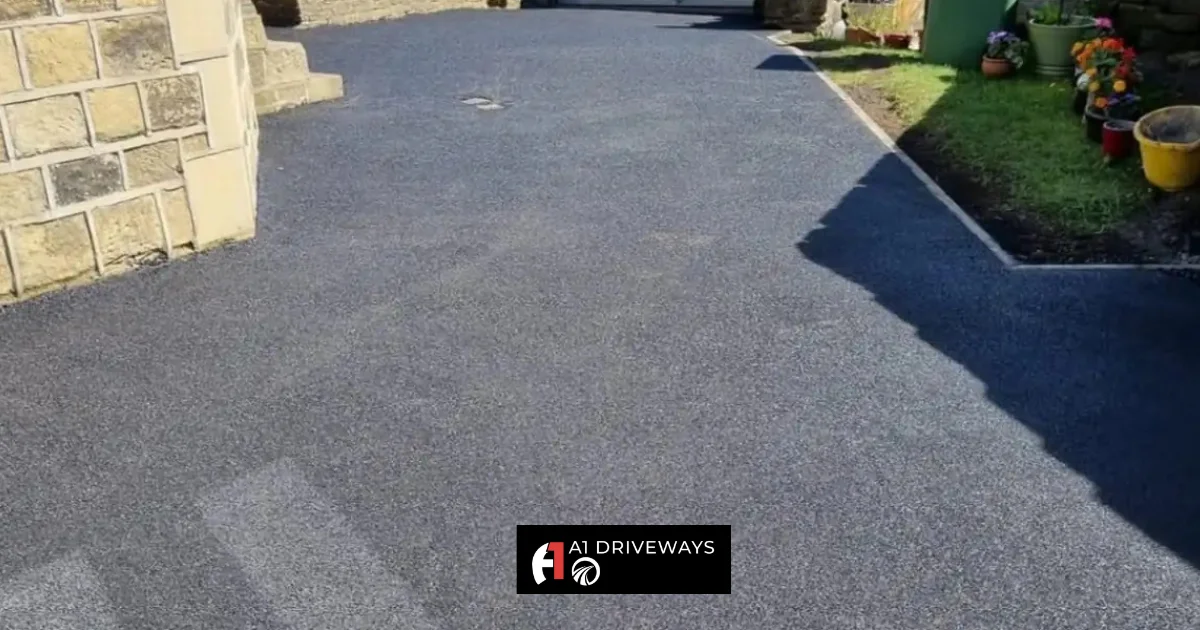
A tarmac driveway is still one of the most affordable, practical options for UK homes. Expect to pay somewhere between £45 and £90 per m², with the exact figure coming down to the size of your drive, the state of what’s underneath, how much groundwork’s involved, and whether it’s a fresh install or a resurface.
This guide walks through the real cost per m², what you’ll typically pay by driveway size, what actually moves the price up or down, and the extras worth budgeting for before you commit to anything.
Key Takeaways
- Average cost: £45–£90 per m², depending on job scope
- Typical 50m² driveway: £2,700–£4,500 fully installed
- Installation time: 1–3 days for most residential drives
- Expected lifespan: 15–20 years with reasonable upkeep
- Biggest cost driver: the condition of what’s underneath, not what you see on top
- Cheapest option: overlaying an existing sound base, rather than a full dig-out
How Much Does a Tarmac Driveway Cost in the UK?
Most homeowners pay between £45 and £90 per m² for a tarmac driveway, supply and fit included. Where you land depends on three things: whether the existing surface can be built on or needs digging out, how accessible the site is, and where in the UK you’re based.
An overlay on a solid base sits at the lower end, around £35–£55/m². A full rebuild — old surface out, new Type 1 sub-base in, proper layers built up — runs £55–£90/m² or more.
One honest tip: if a quote looks suspiciously low, ask what’s missing. Thin layers and skipped sub-base are usually why.
Tarmac Driveway Price Table
Average Cost Per m² by Job Type
Installation Type | Price per m² |
Overlay (sound existing base) | £35–£55 |
Standard full installation | £55–£75 |
Premium spec (thicker wearing course, edging, drainage) | £75–£90+ |
Coloured tarmac uplift | +£8–£15 per m² |
Average Cost by Driveway Size
Smaller driveways cost more per m² than larger ones, since fixed costs like crew time and plant hire get spread over less area — here’s how that plays out by size.
Size | Approx. Area | Estimated Cost |
Small / single car | 20–30m² | £1,400–£2,400 |
Medium / single-double | 40–50m² | £2,400–£4,000 |
Large / double | 60–80m² | £3,600–£6,400 |
Very large / shared drive | 100m²+ | £6,000–£9,500 |
These figures are a starting point rather than a quote. The only way to know your actual number is to get a contractor out to look at the ground, because the state of what’s underneath the current surface changes the price more than anything else on this page.
Overlay vs Full Installation Costs
If your driveway looks tired but the base underneath is solid, an overlay is usually the smarter money move — a thin fresh layer goes straight over the top, done in a day, no excavation needed.
But it only works if the ground’s genuinely stable. Root heave or a failed base means fresh tarmac just buys you a year or two before the same cracks reappear. A good contractor will tell you that upfront.
What Affects the Cost of a Tarmac Driveway?
- Driveway Size and Shape: Bigger jobs cost more overall but less per m². A clean rectangle is cheapest — curves, tight angles, or obstacles like manholes or trees add cutting time and waste.
- Existing Base Condition: The biggest swing factor in any quote. A solid base means tarmac goes straight over the top; a soft or failing base needs full excavation, easily doubling the cost.
- Excavation and Ground Preparation: Covers digging, removing old material, and levelling before laying begins. Older properties or tree roots often need more work — ask your contractor to specify this upfront.
- Tarmac Thickness: Wearing courses typically run 25mm to 65mm. Thicker layers cost more but last longer, especially under two cars — cutting thickness is the easiest way to fake a cheap quote.
- Site Access Easy access for lorries and machinery keeps jobs quick and costs down. Narrow entries or tight terraced streets slow things down and add labour, so flag access issues early.
- Labour Costs Day rates vary by region and job complexity. A one-day overlay costs less than a multi-day rebuild — labour makes up nearly half the total price on most jobs.
- Your Location in the UK London and the South East typically run 15–25% above average. The Midlands sits near the national rate, while the North and Wales tend to come in lower. We regularly install tarmac driveways in Leeds and the surrounding areas, with every driveway built using quality materials and a properly prepared foundation.
Additional Costs to Budget For
- The price you’re quoted might not cover everything. Depending on your property and finish, a few extras can push the total up — a proper itemised quote helps you spot these before work starts, not after.
- MOT Type 1 Sub-base — If the existing base can’t be built on, you’ll need a new one laid. It costs more upfront but is what actually keeps the drive from cracking and shifting later.
- Waste Removal — Old surfaces have to come out and go somewhere. Most contractors include this, but it’s worth confirming, since skip hire adds up on bigger jobs.
- Dropped Kerbs — No existing vehicle crossing means council approval first. This is separate work, billed separately, and worth checking early.
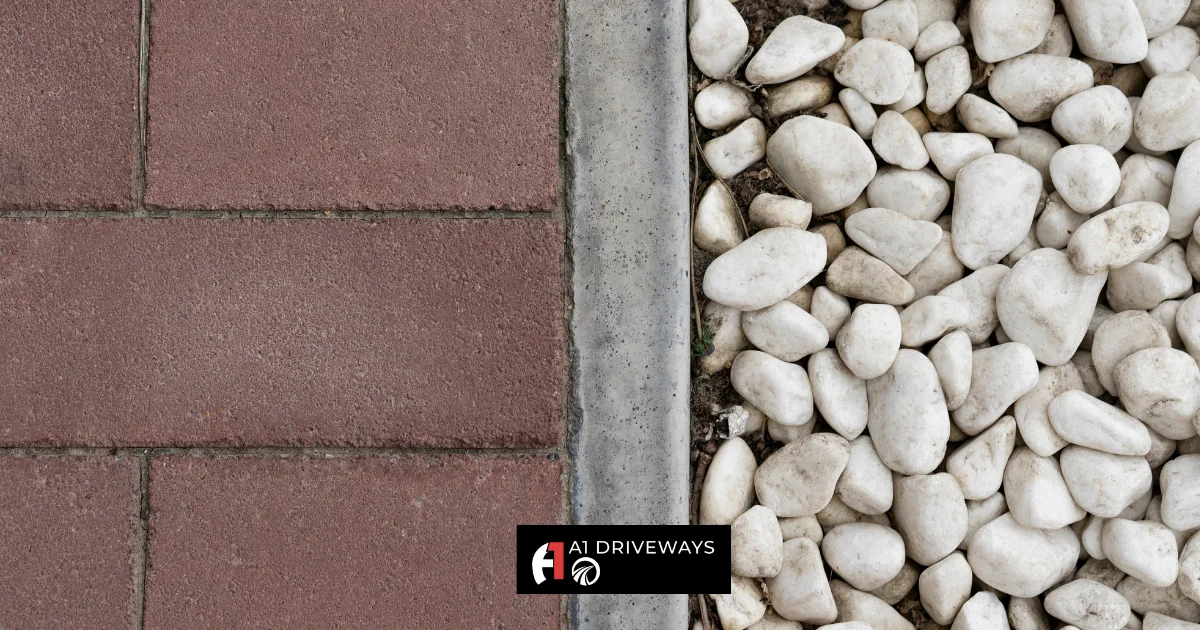
- Decorative Borders — Brick or block edging tidies up the finish and helps stop the tarmac’s edges crumbling over time. Optional, but genuinely useful.
If you’re looking for inspiration, explore our guide: Driveway Edging Ideas
- Drainage Channels — Needed where water can’t drain onto your own land. Complexity of the setup affects the cost.
- Resealing and Maintenance — Not urgent, but resealing every few years and fixing small cracks early keeps a driveway going the distance instead of needing an early repair.
Coloured Tarmac Driveway Costs
Coloured tarmac typically adds 8–20% to the standard black price, depending on the shade you choose. Red is the most common and widely available option, largely because it’s the easiest for contractors to source. The colour comes from the aggregate itself rather than a surface coating, which means it won’t peel or wear away the way paint would over time.
Red tarmac gives a warmer look that suits both traditional brick homes and modern properties, and it’s the option most contractors have the most experience laying.
Green tarmac suits rural properties and landscaped settings where a softer, more natural tone fits better. It’s less common, so it tends to sit at the higher end of the coloured price range.
Buff tarmac gives a lighter, premium finish often chosen for heritage properties. Like green, it costs more due to lower demand and more specialist sourcing.
Tarmac Type | Typical Uplift vs Black |
Red | +£8–£12 per m² |
Green | +£10–£15 per m² |
Buff | +£12–£15 per m² |
One thing worth knowing before you commit: coloured tarmac fades more visibly than black over the years. This is rarely a problem in itself, but it becomes noticeable if you ever need a small repair patch, since fresh tarmac won’t quite match a weathered surface the way it would on a standard black drive.
Tarmac vs Block Paving vs Resin Bound Driveways
Choosing the right driveway surface isn’t just about the initial installation cost. Maintenance, durability and long-term value all matter just as much — here’s how the three most popular options compare.
Installation Cost: Tarmac is generally the most affordable hard-surface option. Block paving costs more, since each block is laid by hand. Resin bound tends to be the priciest, due to specialist materials and application.
Driveway Type | Typical Cost |
Tarmac | £45–£90 per m² |
Block Paving | £80–£140 per m² |
Resin Bound | £90–£160 per m² |
Maintenance: Tarmac needs the least upkeep — occasional cleaning and the odd crack repair. Block paving may need weed removal and re-sanding between joints. Resin bound generally just needs routine cleaning.
Lifespan: Tarmac typically lasts 15–20 years. Block paving can exceed 25 years with proper care, since individual blocks can be replaced rather than the whole surface. Resin bound usually offers a similar 20–25 year lifespan when the base underneath is done properly.
Which Offers Better Value? For a practical, durable driveway without a big upfront spend, tarmac offers the best value. If a decorative finish matters more to you than cost, block paving or resin bound are worth considering — just expect to pay more for the privilege.
If you want to know more, read our guide to the best driveway options in the UK.
Is Tarmac the Same as Asphalt?
Near enough, for a driveway. “Tarmac” is technically a brand name — the original material was tarmacadam, tar mixed with stone. Nothing laid today actually contains tar; modern “tarmac” is bituminous macadam, using bitumen instead. Under current classification, it falls under the wider asphalt concrete family.
So when three contractors quote you for a “tarmac driveway,” they’re all pricing the same general material. The real difference that matters isn’t the name on the quote — it’s the mix and the thickness. What’s sometimes called “asphalt” in trade terms uses finer stone and more binder, giving a smoother, denser finish typically used on roads. For a home driveway, standard bitmac does the job perfectly well and costs less.
How Long Does It Take to Install a Tarmac Driveway?
Most residential driveways take 1 to 2 days for a straightforward overlay or standard installation. Larger, more complex jobs — particularly those needing significant excavation, drainage work, or an unusual shape — can take up to a week. Weather plays a role too, since tarmac can’t be laid properly in frost or heavy rain, which is why spring and summer bookings tend to fill up fastest.
How Long Does a Tarmac Driveway Last?
A properly installed tarmac driveway typically lasts 15 to 20 years, and sometimes longer with good upkeep. The single biggest factor isn’t the top layer you can see — it’s the sub-base underneath. A well-prepared base with adequate depth and compaction is what actually determines whether your drive is still solid in year 15, or cracking by year 5.
Regular small maintenance — resealing every few years, fixing hairline cracks before they spread — extends the working life considerably and costs far less than a full re-lay down the line.
Do You Need Planning Permission for a Tarmac Driveway?
In most cases, no. Standard residential tarmac driveways generally don’t require planning permission, provided the surface water drains onto your own land rather than running off directly onto the public highway.
SuDS regulations come into play specifically because tarmac is a non-permeable surface. If your driveway is larger than 5m² and doesn’t have adequate drainage built in, you may need permission or will need to include a drainage solution — a soakaway or channel drain — as part of the installation to stay compliant.
Exceptions include listed buildings and properties in conservation areas, where local rules can be stricter regardless of drainage. If you’re unsure, a quick call to your local planning department before work starts is worth the ten minutes it takes — far cheaper than finding out afterwards.
Why Choose A1 Driveways?
At A1 Driveways, we’ve built our reputation on doing the groundwork properly — because that’s the part that actually determines whether a drive lasts 5 years or 20.
- Years of hands-on experience installing and resurfacing driveways across the region
- Fully insured, so you’re covered from the first site visit to the final finish
- Quality materials, with proper sub-base specification on every full installation
- Workmanship guarantee on every job we complete
- Free, no-obligation quotations — we’ll assess your site properly before giving you a number
- Local coverage, with crews who know the ground conditions typical to the area
If you’d like an honest, itemised quote for your driveway, get in touch and we’ll arrange a site visit.
Frequently Asked Questions
How much does a tarmac driveway cost per m²?
Most UK tarmac driveways cost between £45 and £90 per m², depending on whether it’s an overlay or full installation.
How much does a single driveway cost?
A single-car driveway typically costs £1,600–£2,600, depending on size, shape and base condition.
How much does a double driveway cost?
A double driveway usually costs between £2,800 and £4,400 for a standard installation.
Is tarmac cheaper than block paving?
Yes, tarmac is generally cheaper than block paving because it requires less hand-labour to install.
Is tarmac cheaper than resin?
Yes, tarmac is typically cheaper than resin bound surfacing, particularly for full installations.
Can you lay tarmac over concrete?
Yes, provided the concrete base is sound, stable, and free of major cracking or movement.
Can you lay tarmac over an existing driveway?
Yes, as an overlay — but only if the existing base underneath is structurally solid.
What is the cheapest driveway surface?
Gravel is generally the cheapest option, though tarmac offers the best balance of low cost and durability.
Get a Free Tarmac Driveway Quote
Every driveway is different, and the only way to get an accurate price is to have someone look at your site in person. Get in touch with A1 Driveways for a free, no-obligation quote — we’ll assess your ground condition, talk through your options honestly, and give you a clear, itemised price with no pressure to decide on the spot.
We also install resin bound driveways, block paving, gravel driveways, imprinted concrete and other surfacing solutions. Explore all of our driveway installation services to find the right option for your property.