Is Tarmac Permeable?
No, standard tarmac isn’t permeable. A conventional tarmac driveway is compacted into a hard-wearing surface, so rainwater generally runs across it rather than soaking through. If you need a surface that lets water drain into the ground, porous asphalt or another permeable driveway system may be a better fit.
That doesn’t mean tarmac is wrong for your home. It’s still a practical, durable and cost-effective choice for many properties. The key is getting the right falls, drainage and base preparation, so rainwater is managed safely within your property.
At A1 Driveways, we help homeowners choose a driveway surface that suits their property, how it will be used, the ground conditions and the way water needs to drain.
What Does Permeable Mean?
A permeable driveway surface lets rainwater pass through and into the layers below, rather than sending all the water running across the top of the driveway.
A properly designed permeable driveway doesn’t simply rely on gaps in the finished surface. It also needs a suitable free-draining sub-base underneath, which can temporarily hold the water and let it filter gradually into the surrounding ground where conditions allow.
This approach can help reduce:
- Surface water runoff
- Water pooling after heavy rainfall
- Pressure on public drainage systems
- The risk of water running towards the house or pavement
Permeable driveway surfaces can form part of a Sustainable Drainage System, often referred to as SuDS.
Is Standard Tarmac Permeable?
In most cases, standard tarmac is impermeable.
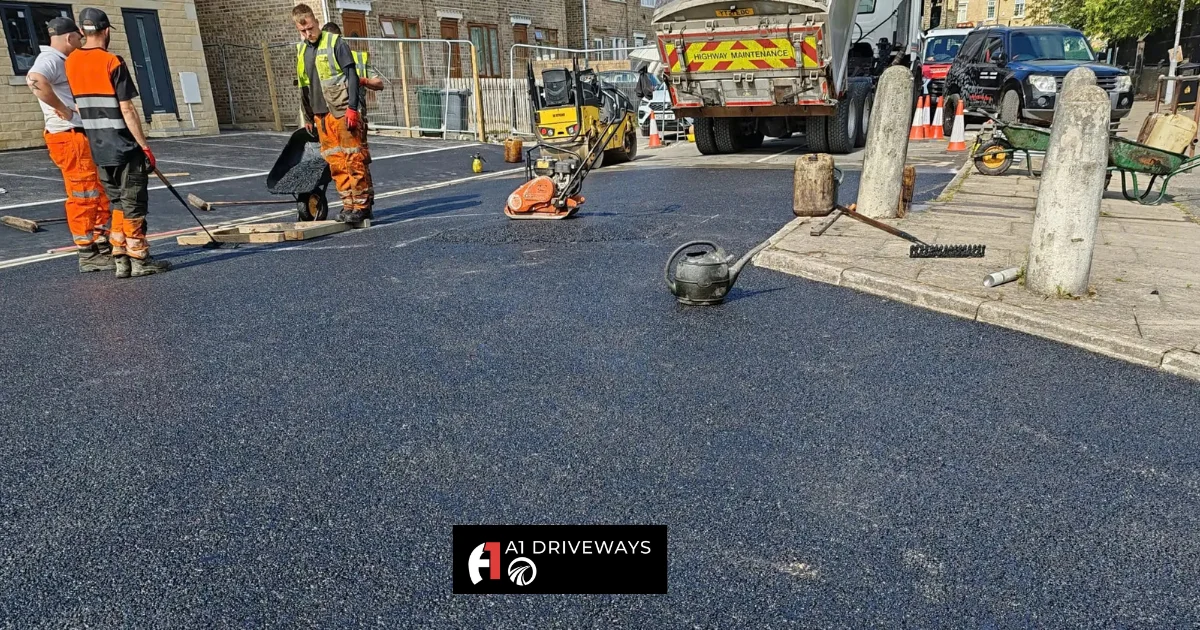
Traditional tarmac is made by combining aggregate with a bitumen-based binding material. Once laid and compacted, it forms a relatively sealed surface. This is one reason it is popular for driveways, paths, parking areas and roads: it is smooth, robust and able to cope with regular vehicle traffic.
However, because water does not readily pass through standard tarmac, the driveway must be designed to move water away from the surface in a controlled way.
A well-installed tarmac driveway will usually include:
- A suitable gradient or fall away from the property
- Drainage channels where required
- A route for rainwater to reach a soakaway, lawn, border or other permeable area
- Proper edging and base preparation to prevent movement and water-related damage
Tarmac should never be assumed to be self-draining simply because it does not hold much water on its surface. Water may run off quickly, but it still needs somewhere safe to go.
Standard Tarmac vs Porous Asphalt
People often use “tarmac” to describe several black driveway materials. In reality, a conventional tarmac surface and porous asphalt are designed to manage rainwater in different ways.
Feature | Standard tarmac | Porous asphalt |
Allows water through the surface | No, generally impermeable | Yes, when installed as part of a permeable system |
Main method of drainage | Surface falls, channels and runoff management | Water filters through the surface and sub-base |
Suitable for | Durable domestic driveways, paths and parking areas | Driveways where permeability is a key requirement |
Base requirement | Stable, well-prepared base | Open-graded, free-draining sub-base |
Maintenance focus | Repairing cracks, maintaining edges and drainage channels | Preventing clogging and maintaining drainage performance |
Planning relevance | Drainage provision may be needed | Can help meet permeable-surfacing requirements |
Porous asphalt is specifically identified in UK front-garden paving guidance as an example of porous surfacing.
Does a Tarmac Driveway Need Drainage?
Usually, yes. Since standard tarmac is not a permeable surface, it should have a drainage plan before installation begins.
The correct solution depends on the shape of the driveway, its size, the property’s levels, the local ground conditions and where water can drain within the site. For example, a driveway that slopes towards the house may need a linear drainage channel installed near the property to intercept rainwater.
Common tarmac driveway drainage solutions include:
- Driveway falls: The surface is laid with a subtle slope so water moves away from buildings.
- Channel drains: Linear drains can collect water at the bottom of a slope or beside a garage.
- Soakaways: These allow collected water to disperse into suitable ground within the property.
- Lawn or border drainage: In some cases, runoff can be directed into a planted or grassed area where it can drain naturally.
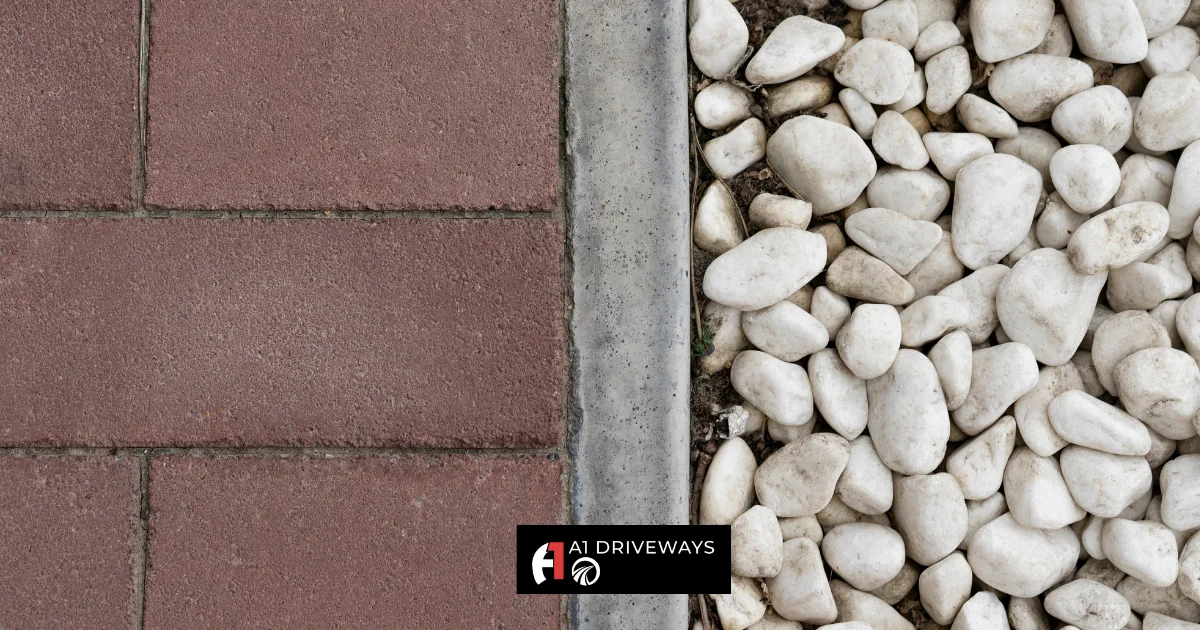
- Permeable edging areas: A suitable gravel margin or drainage strip may support surface-water management in the right layout.
The best option should be decided before the driveway is laid—not added as an afterthought when puddles appear.
Is Porous Asphalt Right for Every Driveway?
Not always. It works well when drainage really matters, but only if it’s designed and installed properly.
The ground matters. For water to drain away, the sub-base underneath has to be free-draining and someone needs to check how well your soil absorbs water. If it drains poorly, the driveway may need extra drainage or a controlled outlet, because the water can’t just soak into the ground.
It needs a little upkeep. Leaves, soil and fine debris can clog the surface over time and slow the drainage. A regular sweep is usually enough to keep it working.
It isn’t the only answer. For some homes, standard tarmac with well-planned slopes and drainage channels is the most practical option. For others, a different surface suits better:
- Permeable block paving
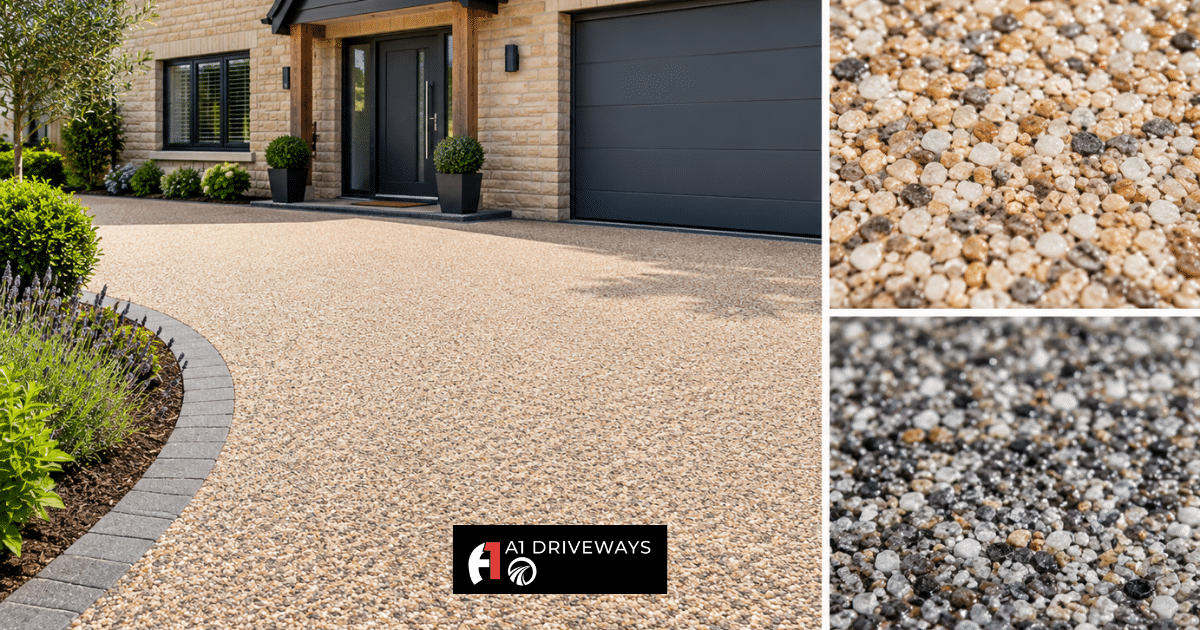
- Resin bound surfacing
- Gravel
- Porous asphalt
The best choice depends on your property, your soil and what you want from the finished drive.
When Is Tarmac a Good Driveway Choice?
Despite not being naturally permeable, standard tarmac is still an excellent driveway material for many homes.
It may be particularly suitable if you want:
- A clean, smart and modern black finish
- A durable surface for cars, vans or regular use
- A driveway that is quick to install compared with some alternatives
- A low-maintenance surface with no joints for weeds to grow through
- A cost-effective option for a larger driveway area
- A surface that can be paired with block-paved edging, kerbs or drainage channels
The quality of the installation matters as much as the material. A tarmac surface laid over an inadequate base, without correct levels or drainage, can develop puddles, cracking or edge failure over time.
How A1 Driveways Plans Tarmac Drainage
A long-lasting tarmac driveway starts below the finished surface. Before recommending a driveway system, the A1 Driveways team considers the practical details that affect drainage and durability.
This includes:
- The driveway’s size and shape
- Existing levels and slopes
- The location of doors, garages and walls
- Vehicle use and load requirements
- The condition of the existing ground
- Where rainwater can safely drain
- Whether a permeable driveway solution is more appropriate
We can then recommend a driveway construction that looks good, performs reliably and manages water responsibly.
Frequently Asked Questions
Does tarmac let water through?
Standard tarmac does not normally let water through. It is a compacted, impermeable surface designed to shed water. A porous asphalt driveway is different because it is made to allow water to pass through the surface into a free-draining sub-base.
Is tarmac porous?
Not really. Standard tarmac is dense, so water runs off the top rather than soaking in. An older drive might crack and let a little water through, but that’s the surface wearing out, not a proper drainage system. It isn’t something you can rely on to keep water under control.
Can I use tarmac for a front driveway?
Yes and plenty of people do. Tarmac is tough, tidy and practical, which is why it’s such a popular choice for front drives. Just keep one rule in mind: if you’re surfacing more than 5m², the rainwater has to drain somewhere within your own property, like a lawn or border. If it can’t, you may need planning permission.
Do tarmac driveways need a soakaway?
Not always, but most drives need some kind of plan for the water. Sometimes that’s as simple as sloping the surface so rain runs onto a lawn or border. Other times, a drainage channel or soakaway is the better fit. It really depends on your property’s layout and how well the ground in your area drains.
Do I need planning permission for a tarmac driveway?
Not if the surface is porous or the water drains to a permeable area within your property. If you’re paving more than 5 square metres of front garden in England and neither applies, you’ll need permission. Always confirm with your local council.
Is porous tarmac more expensive than standard tarmac?
Usually, yes. It needs a deeper sub-base and more specialist materials, which pushes the price up. The upside is that it can save you the cost of extra drainage work, so compare full quotes rather than just the price of the surface.
Can I make my existing tarmac driveway permeable?
Not by treating the surface. The usual fix is to improve drainage around it, such as redirecting runoff to a lawn, border or soakaway or to replace it with a porous system.
Speak to A1 Driveways About Your Driveway
If you are deciding between a standard tarmac driveway, porous asphalt or another permeable driveway surface, A1 Driveways can help you choose a practical solution for your property.
We will consider more than the finished look. From the driveway base and surface levels to drainage channels and edge restraints, we focus on a driveway that is built to handle everyday use and British weather.
Contact A1 Driveways today to discuss your new tarmac driveway and request a free quotation.