Which Material Is Best for Driveway Resurfacing?
If your driveway is looking past its best, resurfacing is one of the quickest ways to give your home’s exterior a lift. The tricky part is picking a material, because there are so many driveway surface options out there and it is easy to get stuck comparing them. Tarmac, block paving, resin bound, flagstone, they all come with their own price tag, durability and kerb appeal and what suits your neighbour’s house might not suit yours.
That is what this guide is for. We have gone through every major driveway resurfacing material used across West Yorkshire so you can weigh them up properly and land on the right one for your home and your budget.
Why Resurface Your Driveway?
Even a well-built driveway starts to show its age eventually. Years of vehicle weight, weather and general wear take their toll and you end up with cracks, potholes, fading and drainage problems creeping in. Resurfacing sorts most of that out, restoring both the function and appearance of your driveway and it saves you the cost and disruption of tearing out the entire structure and starting from scratch.
Key reasons to renovate:
- Remove trip hazards caused by cracked, sunken, or uneven surfaces
- Eliminate standing water and reduce the risk of flooding near your property
- Improve access for wider vehicles, wheelchairs and pushchairs
- Boost kerb appeal and add value ahead of a sale
- Stay compliant with current drainage and planning regulations
- Prepare your driveway for an EV charger installation
A well-maintained driveway can genuinely add measurable value to a property, and in areas like Leeds and Bradford where on-street parking is limited, a smart, functional driveway becomes a genuine selling point for buyers.
How to Choose the Best Driveway Resurfacing Material
There is no best” driveway material for every home. The right choice depends on a mix of aesthetic factors. Before comparing driveway materials think through the points
Budget. Look at the price and the long‑term cost of upkeep, repairs or resealing. A cheap driveway material that needs care can cost more over ten years than a slightly more expensive driveway material that needs almost no care.
Kerb Appeal. Some driveway materials look on older homes while others match new builds better. Matching the driveway material to your home’s architecture really changes how the finished driveway looks.
Maintenance. Ask how time and effort you want to spend. A resin‑bound driveway material needs a quick sweep now and then while gravel and block paving need frequent care to keep looking neat.
Drainage. Since 2008 new or resurfaced driveways in England must either drain naturally or have a drainage system to handle surface water. Permeable driveway materials can often skip planning permission.
Property Style. Terraced houses, semi‑detached homes and larger detached properties in West Yorkshire all suit driveway materials. A period stone cottage rarely looks best with black tarmac for example.
Climate. Yorkshire winters bring frost, rain and freeze‑thaw cycles that can crack driveway materials. Materials like resin‑bound and high‑quality concrete handle this better, than loose gravel or poorly laid block paving.
Driveway Resurfacing Materials Compared
Below is a breakdown of the six most common driveway resurfacing materials used across the UK including the pros, cons and who each option suits best.
Resin Bound Driveways
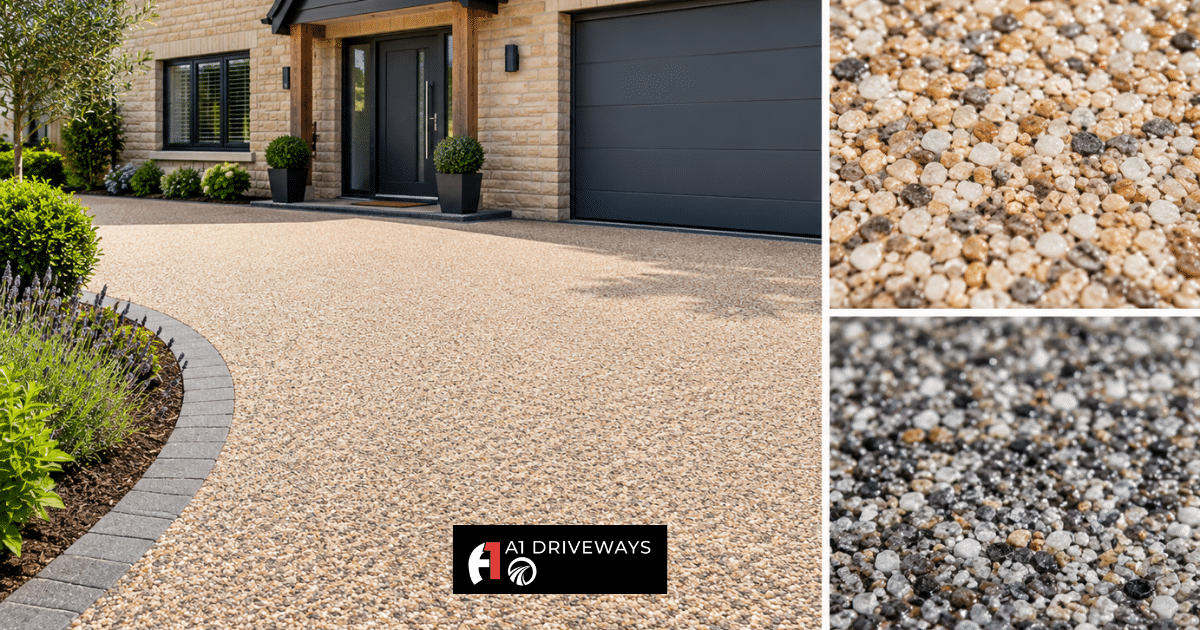
Resin bound driveways are created by mixing aggregate with a UV-stable resin then hand-trowelling the blend onto a prepared base to create a smooth seamless finish. It has become one of the requested driveway resurfacing options, in West Yorkshire over the past few years largely because it solves problems that older materials cannot.
Pros of Resin Bound
- Fully permeable and SuDS-compliant separate drainage is rarely needed
- Wide choice of colours and aggregate blends for a modern high-end finish
- Minimal weed growth and no loose stones underfoot
- Anti-slip texture that stays safer in wet or icy conditions
- Very low maintenance, typically just an occasional wash
- Can last 20 years or more when installed correctly
Cons of Resin Bound
- Higher upfront cost compared to tarmac or gravel
- Needs a solid, stable base, which can mean extra prep work
- Quality depends heavily on the installer getting the resin-to-aggregate ratio right
Best For: Homeowners who want a premium, low-maintenance finish with strong kerb appeal and full SuDS compliance, particularly on modern or recently renovated properties.
Tarmac (Asphalt) Driveways
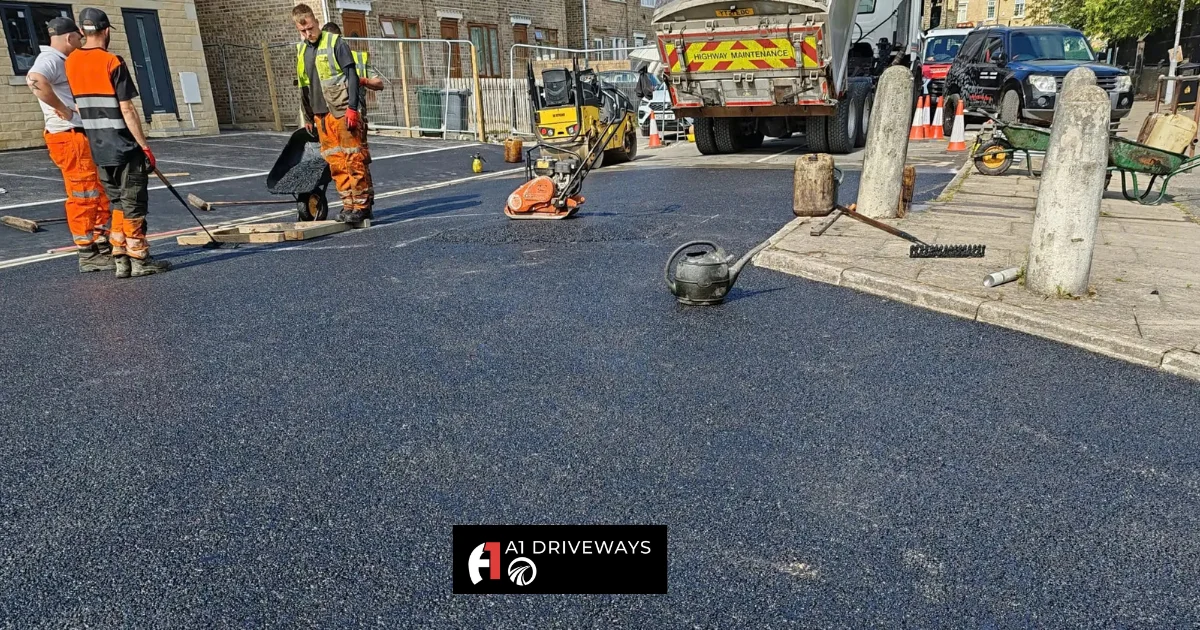
Tarmac remains one of the most established and widely used driveway surfaces in the UK. It is a mix of bitumen and aggregate that is rolled flat while hot, creating a smooth, hardwearing finish.
Pros of Tarmac
- One of the most affordable driveway resurfacing materials
- Quick installation, often completed within one to two days
- Smooth, quiet surface that is comfortable to drive and walk on
- Easy to patch and repair if damage occurs
Cons of Tarmac
- Limited to black or dark grey, offering little decorative variety
- Can soften slightly in extreme heat and is prone to oil staining
- Not naturally permeable, so drainage often needs to be designed separately
- Typically needs resurfacing again after 12 to 15 years more than decorative detail.
Best For: Larger driveways, budget-conscious homeowners and properties where function matters
Block Paving Driveways
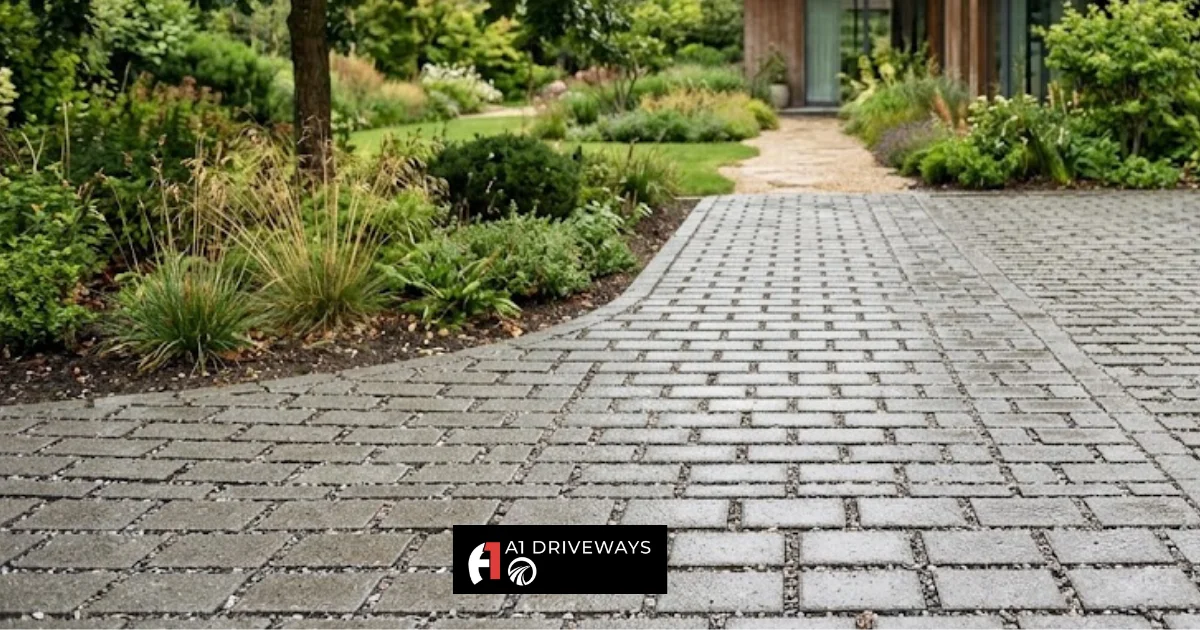
Block paving uses individual concrete or clay blocks laid in a pattern over a compacted sand and aggregate base. It is a classic choice that works particularly well on period and traditional properties.
Pros of Block Paving
- Huge range of colours, shapes and laying patterns
- Individual blocks can be lifted and replaced without redoing the whole driveway
- Permeable block paving options are available for SuDS compliance
- Can last for decades when installed on a properly prepared sub base
Cons of Block Paving
- Higher upfront cost than tarmac or gravel
- Weeds and moss can appear between joints without regular maintenance
- Can sink or shift if the sub base was not compacted correctly
- Needs periodic re-sanding and occasional resealing
Best For: Period properties and homeowners who want a traditional look with strong design flexibility and don’t mind a bit more upkeep.
Imprinted Concrete Driveways
Pattern imprinted concrete is poured concrete stamped with a decorative pattern while still wet, then sealed and coloured. It can mimic the look of natural stone, cobbles, or brick at a fraction of the cost.
Pros of Imprinted Concrete
- Hundreds of pattern and colour combinations available
- Extremely durable and able to handle multiple vehicles or heavier loads
- Sealed surface resists weeds and moss
- Can last 25 years or more when installed properly
Cons of Imprinted Concrete
- Needs resealing every three to five years to protect the colour and surface
- Not permeable, so drainage must be designed in from the start
- Can crack if the base is poorly prepared or expansion joints are skipped
Best For: Homeowners who want the look of natural stone without the cost, especially on larger driveways where the pattern can stand out.
Flagstone Driveways
Flagstone driveways use large, flat pieces of natural or manufactured stone, laid to create a refined, upscale finish. It is one of the more premium options available for driveway resurfacing.
Pros of Flagstone
- Natural, high-end appearance that suits period and character properties
- Extremely durable when laid correctly on a solid base
- Individual slabs can be replaced if damaged
- Adds strong kerb appeal and can boost property value
Cons of Flagstone
- One of the more expensive resurfacing materials
- Installation is labour-intensive, which adds to overall cost
- Natural stone can be more slippery when wet unless textured
- Joints may need occasional weed treatment or resealing
Best For: Homeowners prioritising a luxury finish and natural aesthetic, particularly on larger driveways or period homes where budget is less of a constraint.
Gravel Driveways
Gravel is the simplest and most affordable driveway resurfacing material, made up of loose stones or decorative aggregate laid over a compacted sub base.
Pros of Gravel
- The cheapest driveway resurfacing option available
- Fully permeable with excellent natural drainage
- Quick and easy to install or top up
- Rustic, natural appearance that suits rural and countryside properties
Cons of Gravel
- Stones can shift, scatter onto pavements, or spread onto the road
- Needs regular raking, topping up and weed control
- Less practical for wheelchairs, prams, or high footfall areas
- Can migrate on sloped driveways during heavy rain
Best For: Rural properties, long driveways and homeowners looking for the lowest possible upfront cost who don’t mind some ongoing maintenance.
Driveway Resurfacing Cost Comparison (Price Per m²)
Driveway resurfacing costs depend on the material you choose, the size of your driveway, site access, ground condition and whether extra drainage work is needed. The table below gives typical UK price ranges for domestic driveways, including materials and installation.
Material | Typical Cost (installed, per m²) | Expected Lifespan | Maintenance Level |
Gravel | £30–£60 | 5–10 years before topping up | High |
Tarmac / Asphalt | £50–£90 | 12–15 years | Moderate |
Block Paving | £70–£130 | 15–50 years depending on block type | Moderate to high |
Imprinted Concrete | £70–£110 | 20–30 years | Moderate (resealing needed) |
Resin Bound | £80–£120 | Up to 25 years | Very low |
Flagstone | £90–£150 | 25+ years | Low to moderate |
Gravel wins on upfront price but costs you more in upkeep down the line. Resin bound and flagstone cost more to start with, though the long lifespan and low maintenance often balance that out over time. Look at lifetime cost, not just the install price. Also worth knowing, resurfacing over a sound existing base is cheaper than a full dig-out, since sub-base work and waste removal eat up a big chunk of any rebuild budget.
Drainage, SuDS and Planning Permission Rules
Drainage is one of the ignored parts of driveway resurfacing yet it can decide if you need planning permission or not.
Permeable vs. Impermeable Surfaces
Under UK rules driveways over five square metres, in front gardens must either use permeable materials or have a drainage system that handles
Permeable options (typically no planning permission needed):
- Resin bound driveways
- Gravel over a permeable sub base
- Permeable block paving
Impermeable options (drainage design required, may need planning permission):
- Standard tarmac
- Traditional poured concrete
- Sealed imprinted concrete
If you want to avoid planning delays, going permeable with resin bound or gravel is usually the easiest route, since it ticks the SuDS box without extra drainage work. We check drainage needs on every free site visit and point you towards a SuDS-compliant option if that is what your property needs.
Which Driveway Material Is Best for You?
There is no one size fits all answer here, but this should help narrow things down based on what matters most to you:
- Lowest maintenance: Resin bound driveways are hard to beat, needing little more than an occasional wash.
- Lowest upfront cost: Gravel and tarmac give you the most budget-friendly starting point.
- Best for period properties: Block paving and flagstone suit traditional homes with character.
- Best for modern homes: Resin bound and imprinted concrete both give a clean, contemporary finish.
- Best for long-term value: Flagstone, resin bound and quality block paving all last long enough to offset their higher initial cost.
- Best for rural or long driveways: Gravel is still the most practical and affordable choice.
If you are still weighing up styles beyond resurfacing, our full breakdown of the best driveway options in the UK is a useful next read.
Frequently Asked Questions
How long does driveway resurfacing take?
Usually one to four days. Tarmac and resin bound are the quickest, often done in a day or two, while block paving and imprinted concrete take a bit longer because they need time to cure and bed in.
Can you resurface over an existing driveway?
Often, yes. If the sub base underneath is still sound, resin bound and tarmac can usually go straight over it, which saves time and money. If there is damage or drainage issues underneath, you will likely need a partial or full rebuild first. Best to get a site visit to check.
What's the cheapest resurfacing material?
Gravel, typically £30 to £60 per square metre installed, with tarmac close behind. Just bear in mind cheaper materials tend to need more upkeep down the line.
What lasts longest in the UK climate?
Flagstone and resin bound, often 25 years or more with minimal upkeep. Good quality block paving holds up well too if the base is done properly. Permeable materials like resin bound and gravel generally cope better with Yorkshire’s wet weather than sealed surfaces.
Get a Free Driveway Resurfacing Quote from A1 Driveways
Choosing the driveway resurfacing material depends on your budget the look of your home and how much upkeep you want to do. Whether you think about a low‑maintenance resin bound finish, a traditional block paving or a cheap tarmac the team at A1 Driveways can help you decide.
We give quotes with no obligation, fair prices with no hidden fees and a written guarantee for every job in West Yorkshire. Contact us today to book a free site visit and discover which material is best, for your driveway.