Natural Stone Flagstone Driveways
If you are tired of your tarmac driveway looking old or have an ageing block paved driveway, then it might be time to consider a driveway made of flagstones. For many years, the driveway installation experts at A1 Driveways have been designing and constructing natural stone driveways using sandstone, limestone and slate. These types of driveways can truly complement a traditional property.
What Is a Flagstone Driveway?
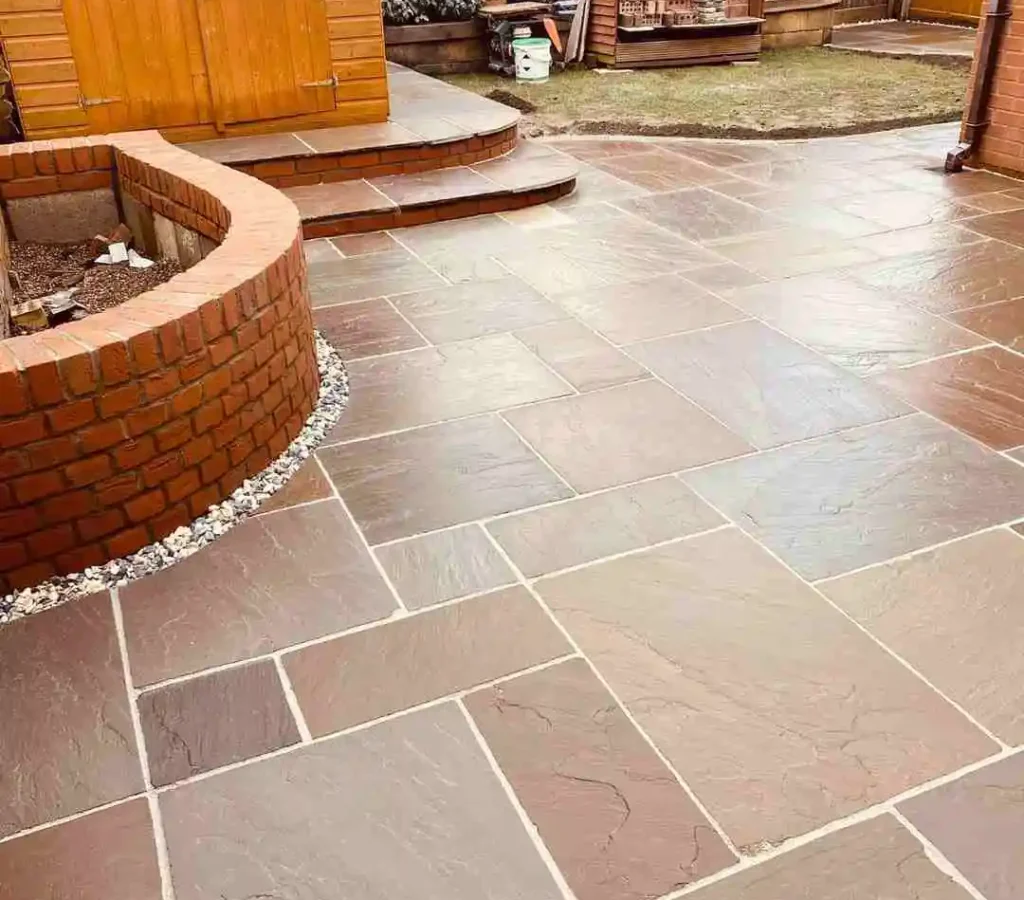
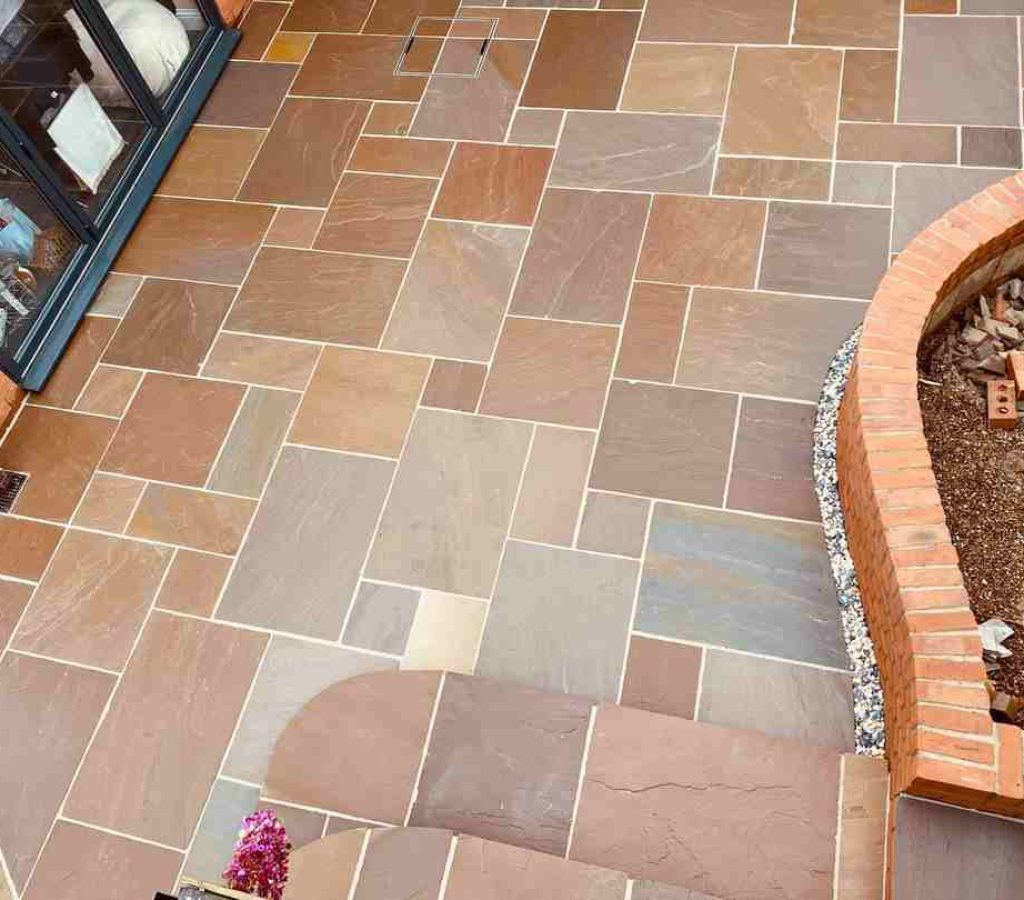
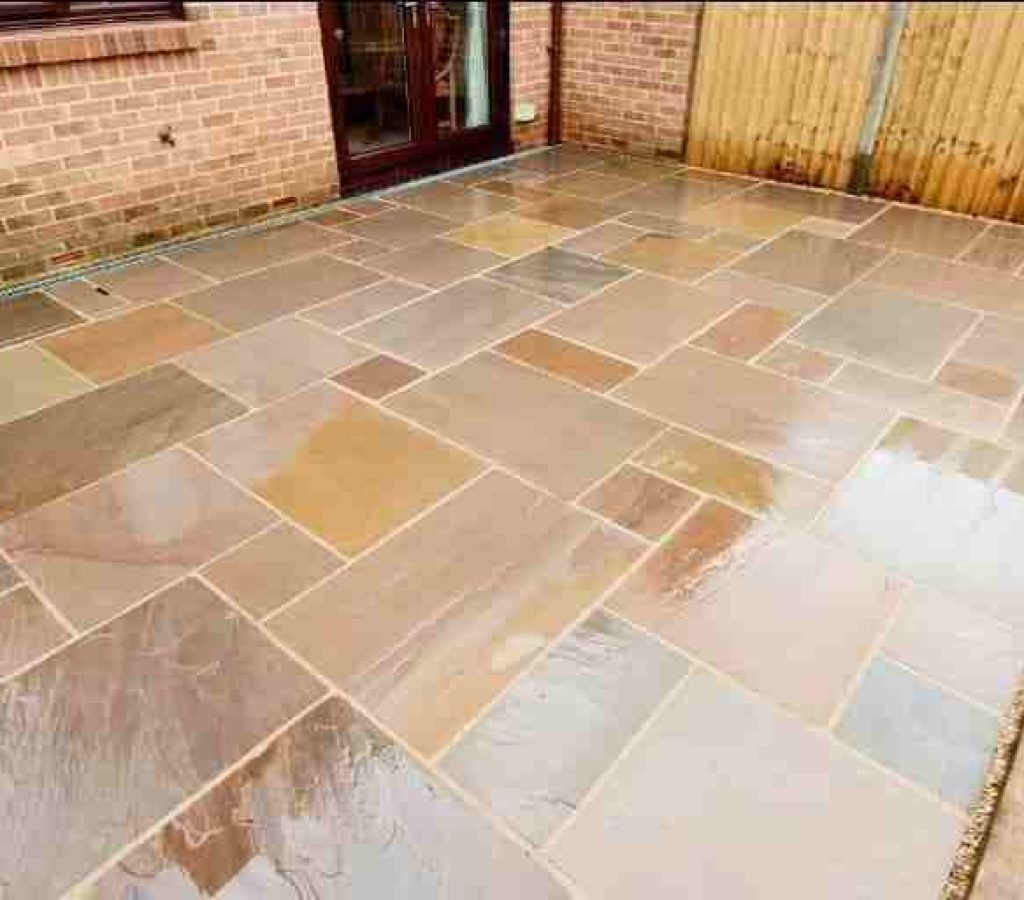
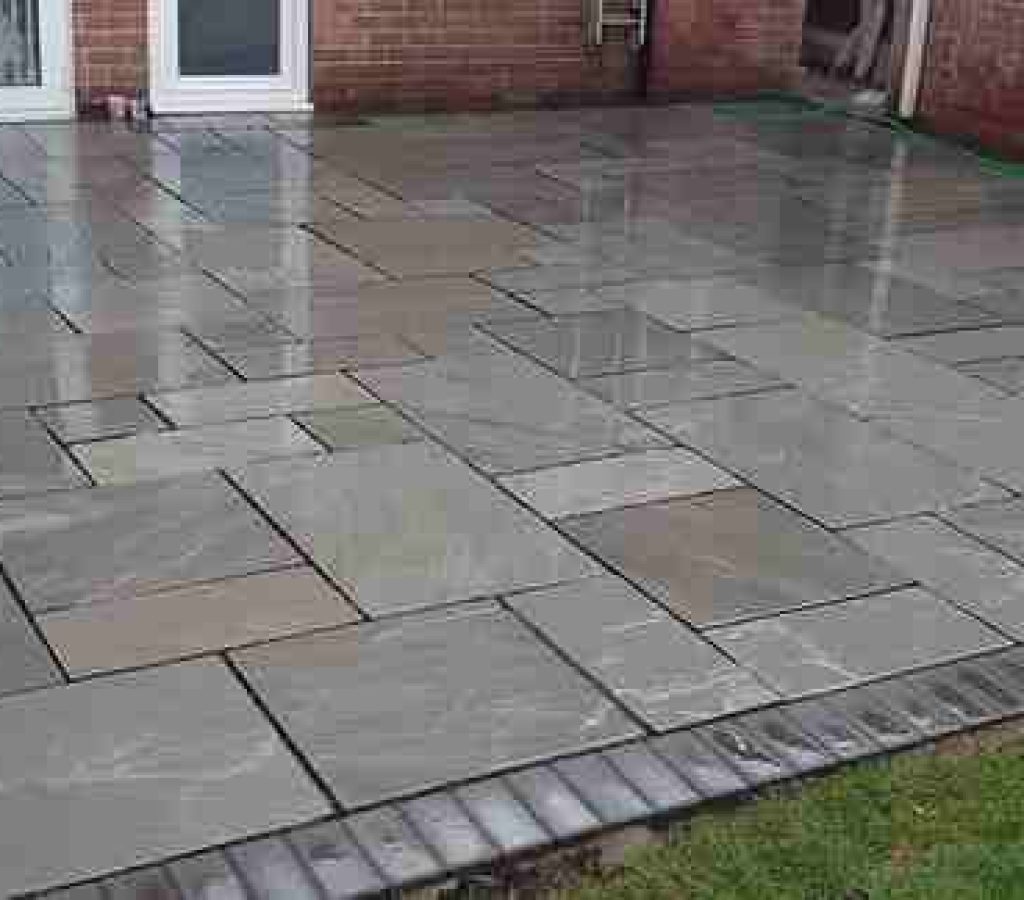
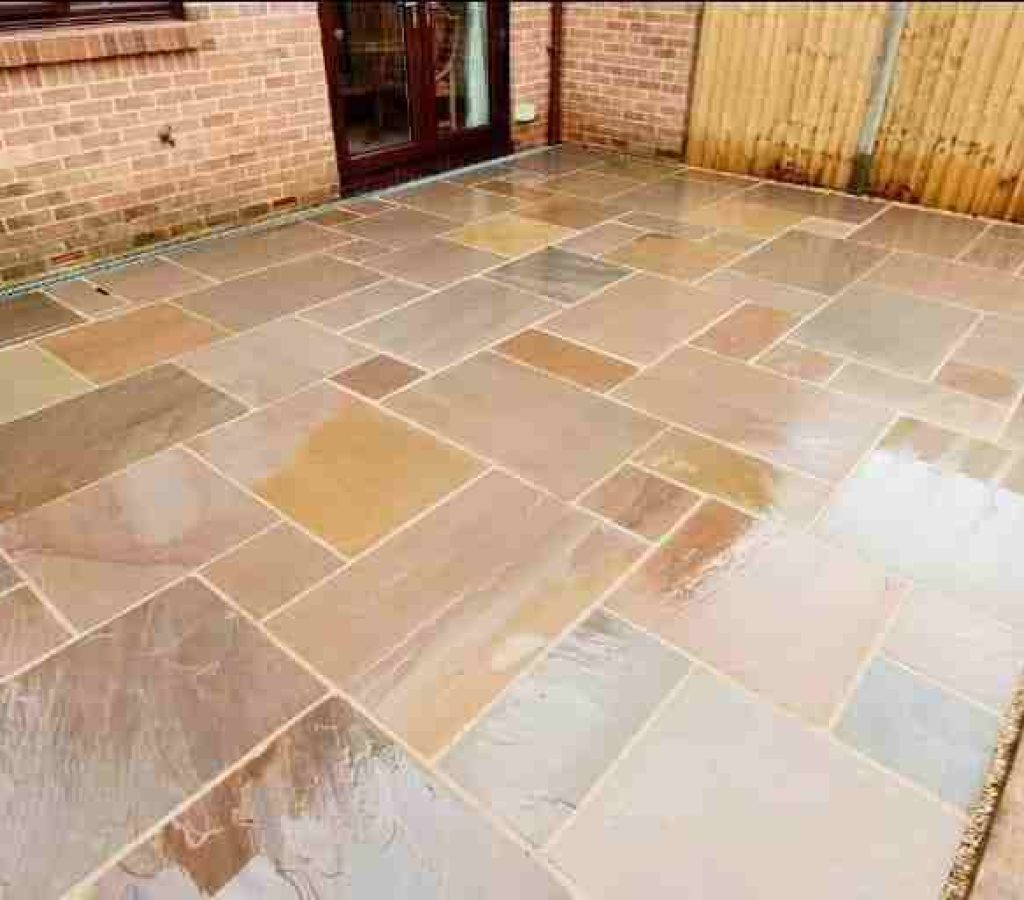
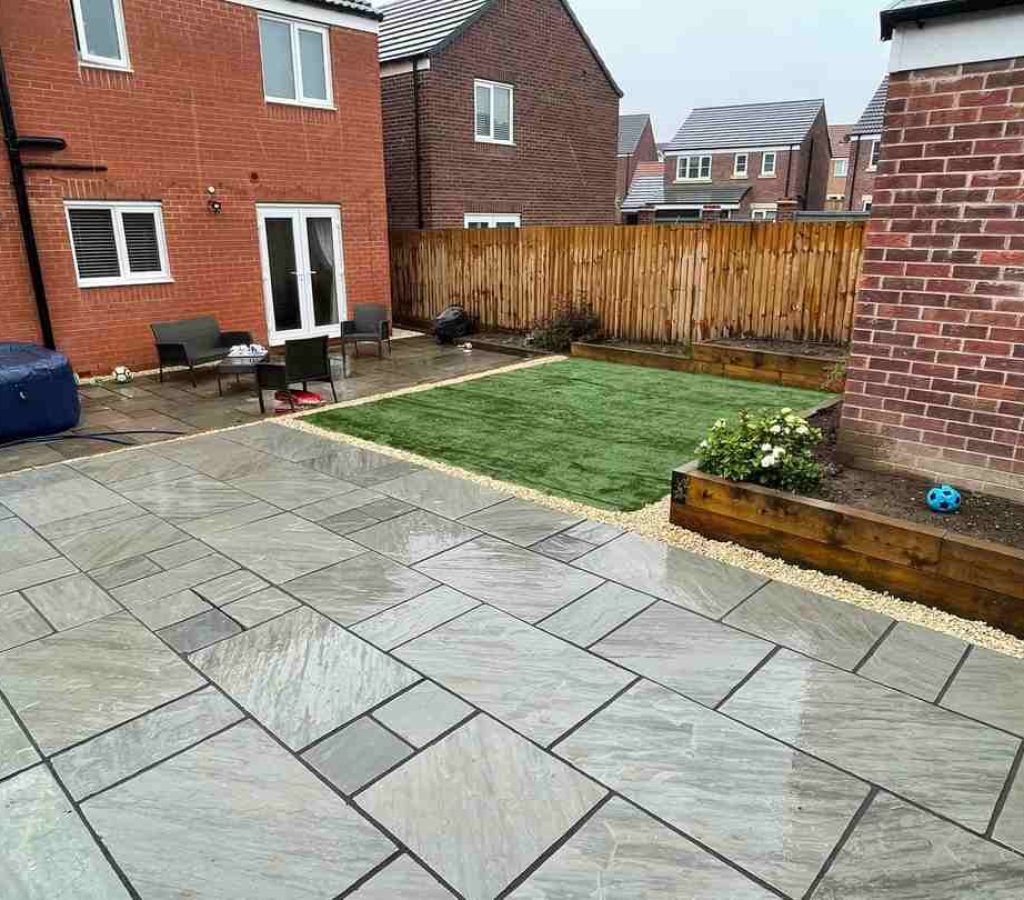
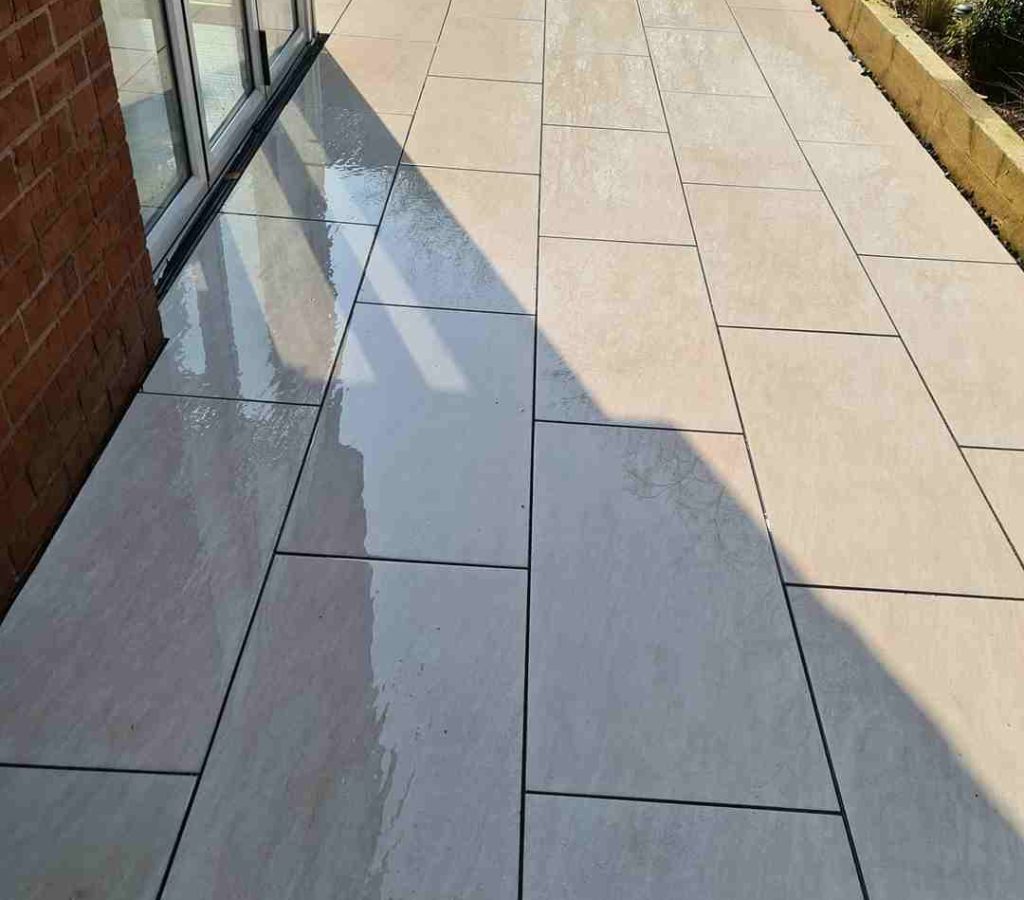
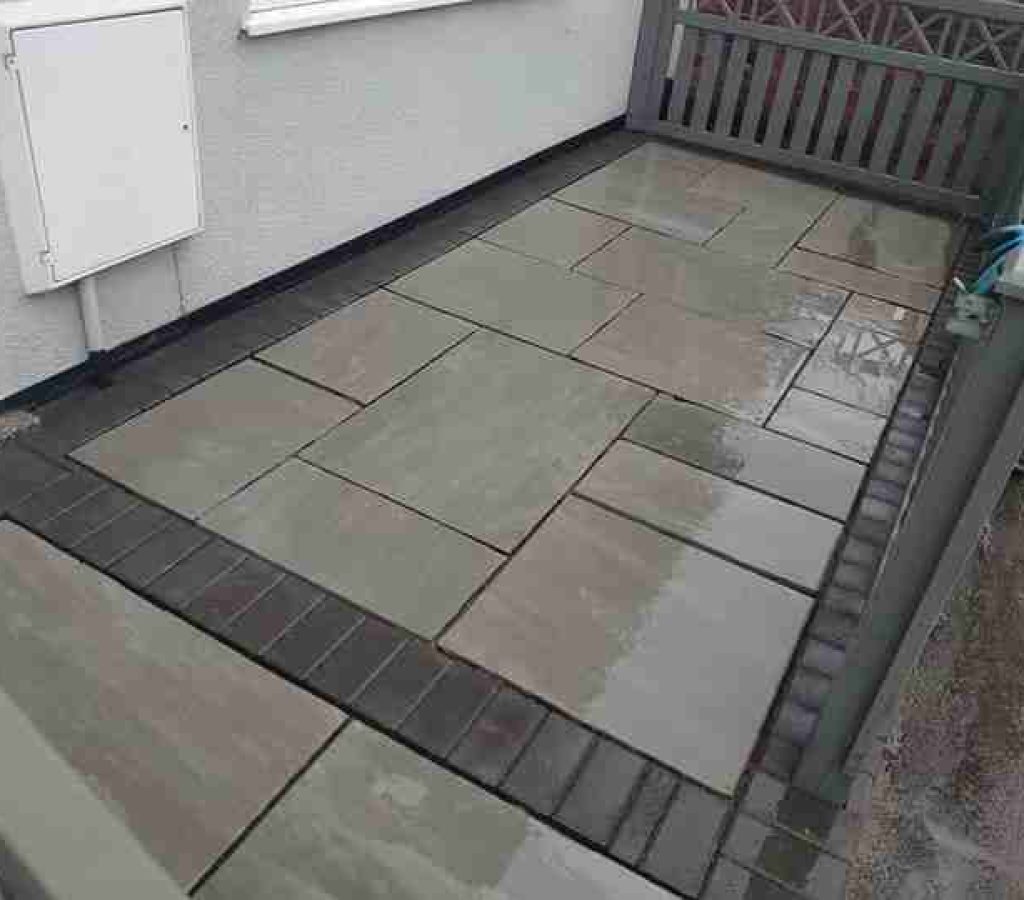
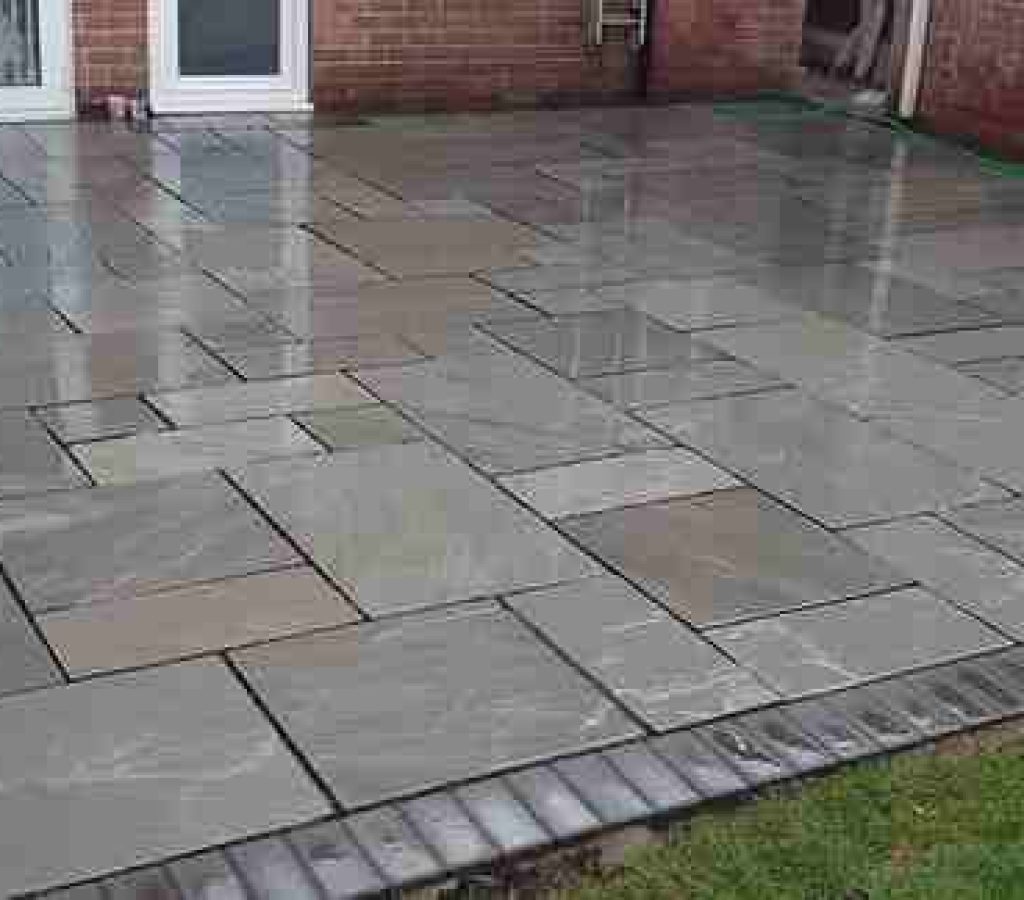
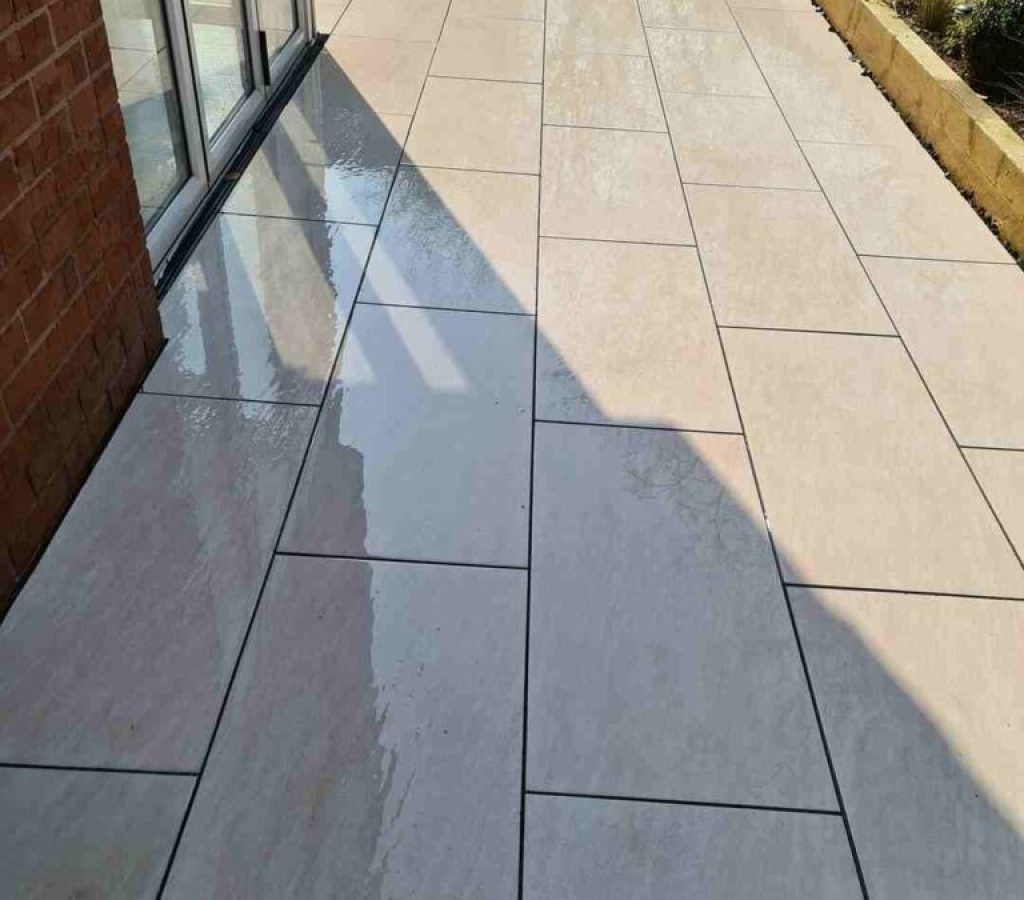
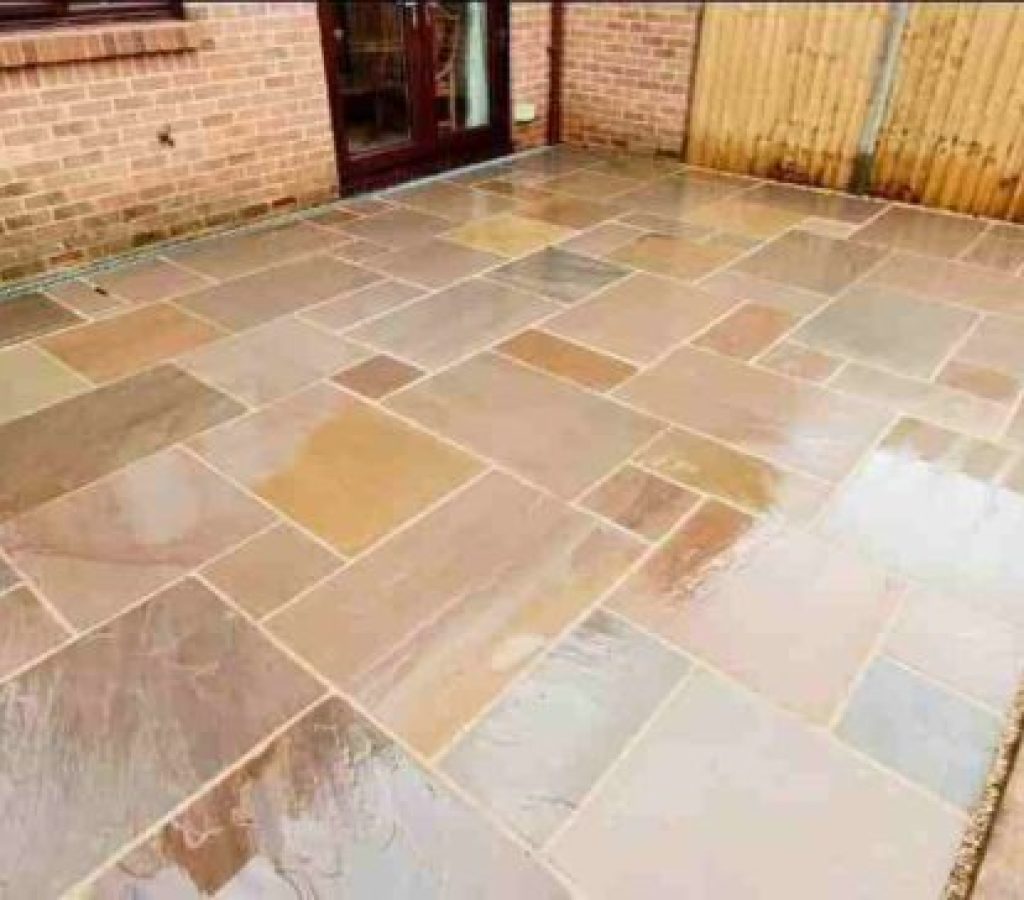
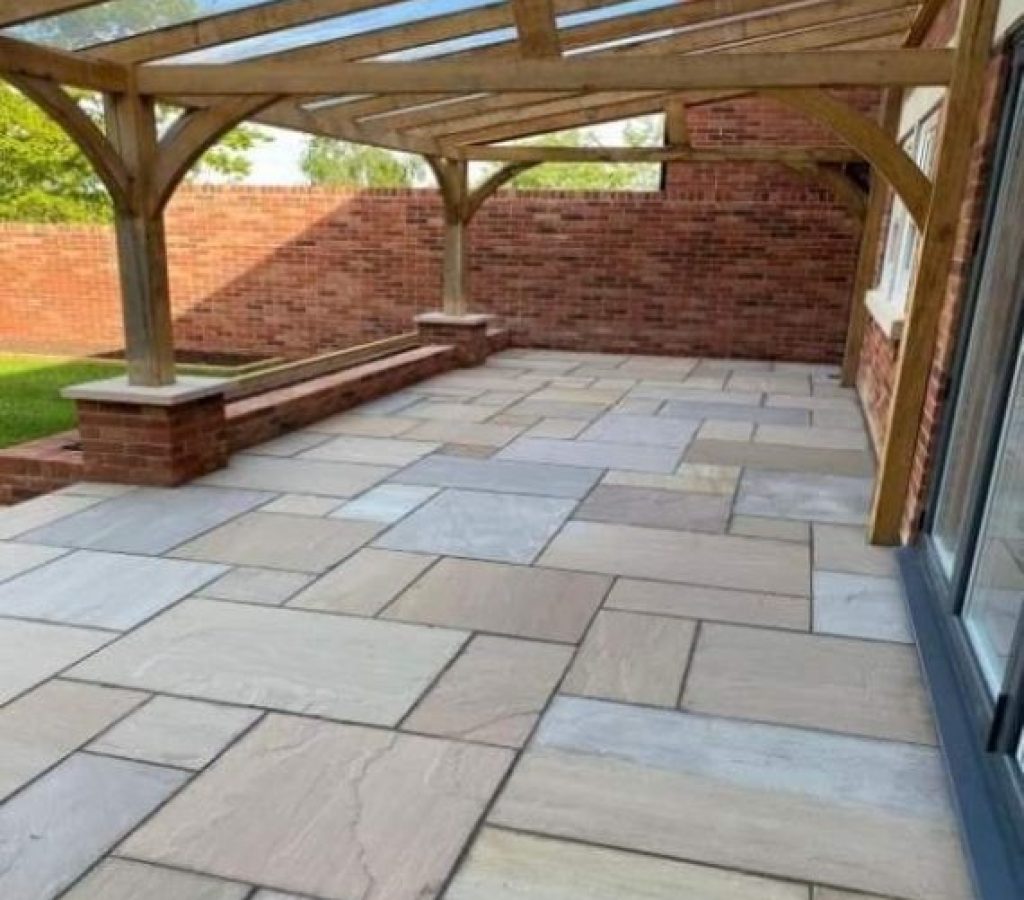
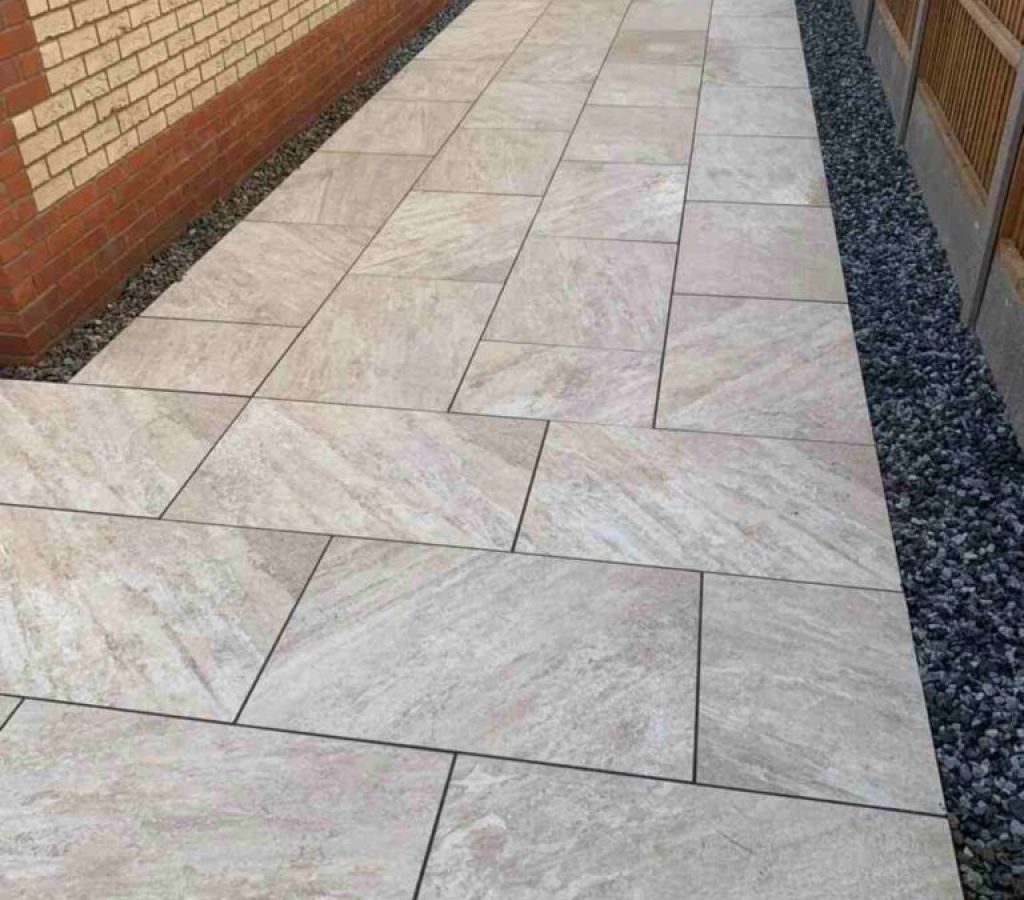
Flagstone drives are composed of large, flat pieces of natural stone such as Indian sandstone, limestone or slate set upon a concrete base and pointed to tie everything together as one durable surface. If you’ve ever stood in front of a house and felt that the drive had a sense of calmness and deliberation rather than busyness and lots of patterning, then chances are you were looking at a flagstone driveway. With the use of fewer, larger stones rather than many smaller interlocking stones, it has an overall feeling of being cohesive and settled. The fact that natural stone comes with inherent colour variation and texture means every drive will be unique, which is a big factor for people who have grown tired of seeing the same block paving along their street.

Flagstone Driveway Installation
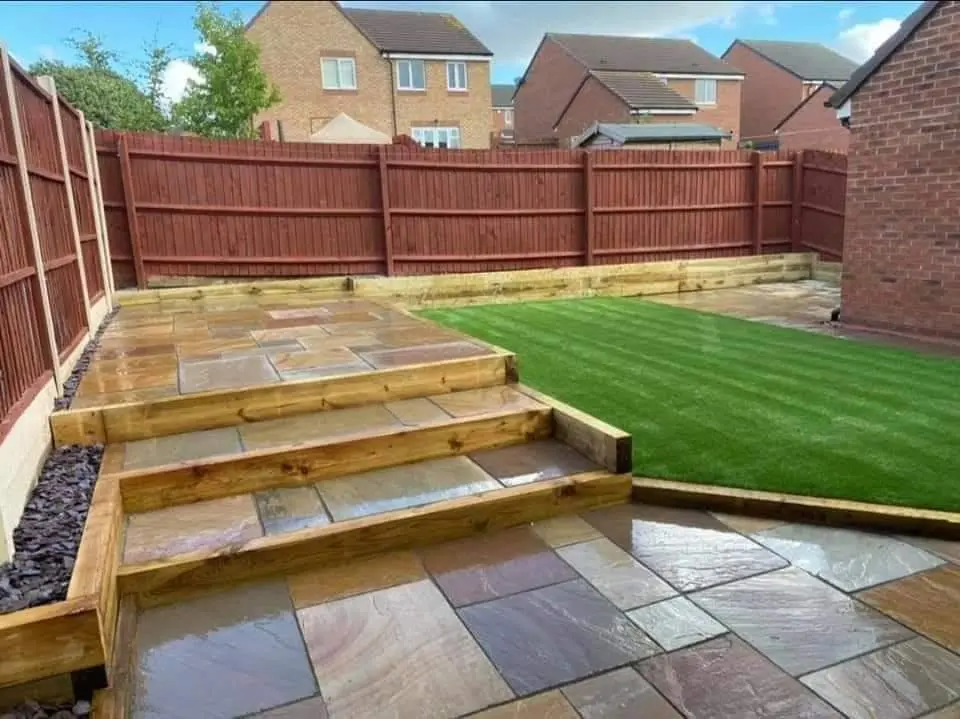
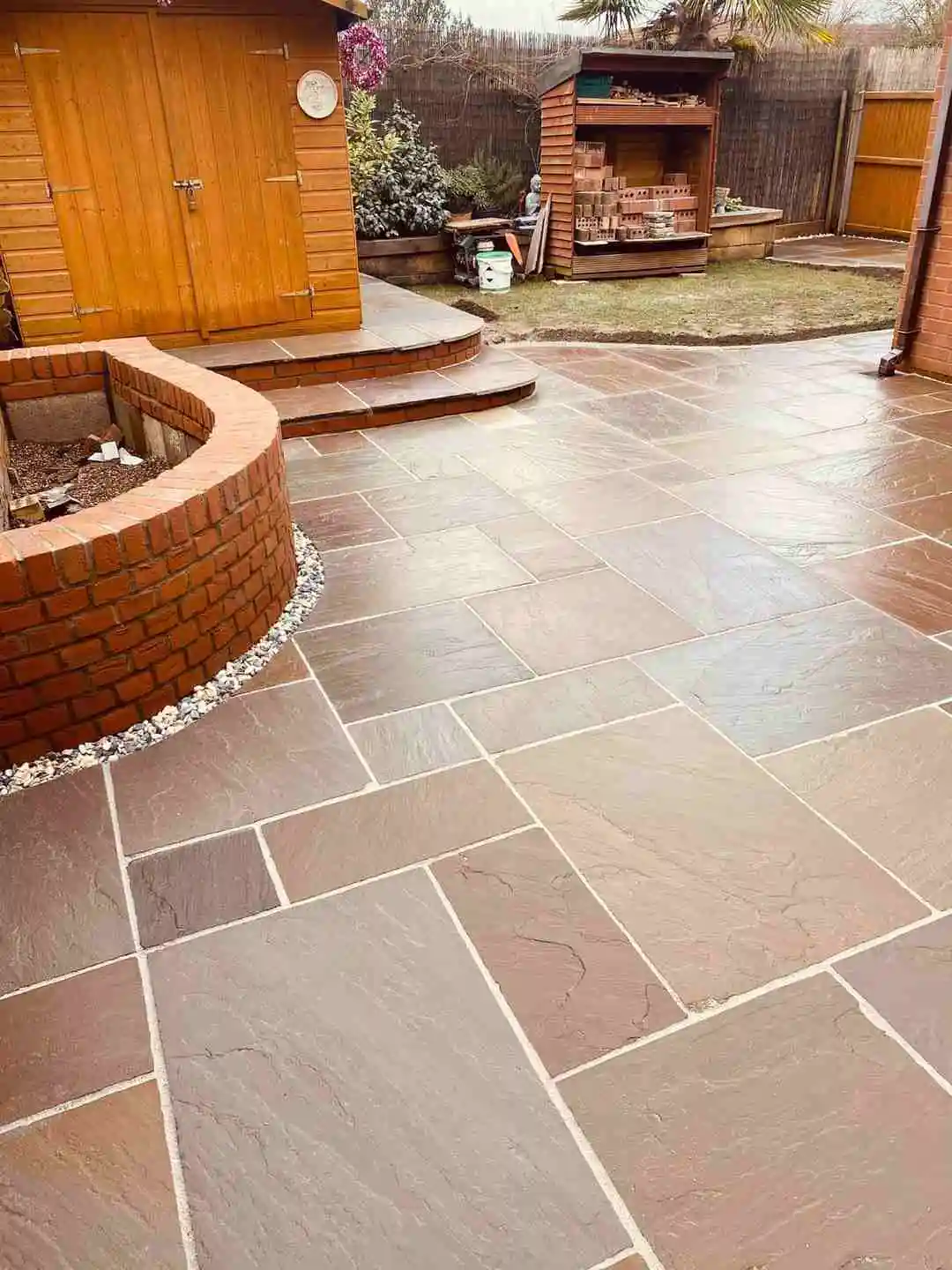
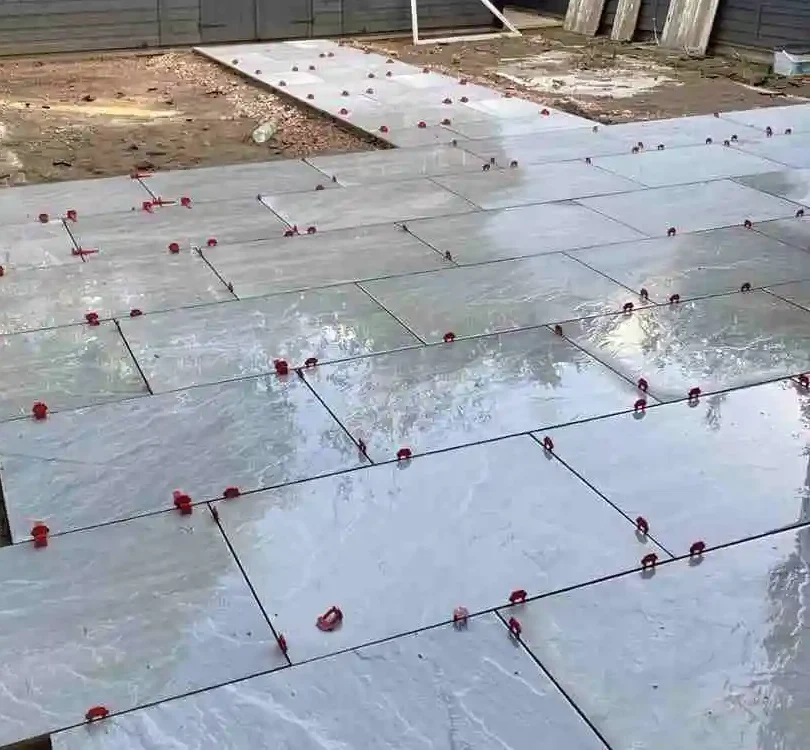
One thing we always say to homeowners is that a flagstone driveway is won or lost below ground, not on top of it. What you see when it’s finished is the stone. What actually determines whether it lasts is everything underneath. Our team starts by excavating the area to the correct depth, then lays and compacts a sub-base that’s genuinely built to take the weight of vehicles day in and day out. Edge restraints go in to stop the slabs shifting over time and then the flagstones themselves are bedded onto a full mortar bed — not just sand, which might be fine for a patio but simply isn’t enough support for a driveway. Once the stone is down, the joints are pointed and the whole surface is left clean and ready to use within a few days, depending on the size of the job and whatever the weather decides to do.
Why Homeowners Choose Flagstone Driveways
There’s a reason flagstone works so well with traditional stone-built homes. When you’ve got a property with natural stone features, a flagstone driveway just makes sense in a way that tarmac or even resin doesn’t quite manage. It feels like it belongs. Beyond that, people choose it because it lasts — we’re talking decades, not just a handful of years — and because it handles harsh winter weather without falling apart. Freeze-thaw conditions that would stress other surfaces barely register on well-laid natural stone. And if you’re thinking about selling at some point, a good flagstone driveway is the kind of thing that genuinely gets noticed by buyers and adds to what they’re willing to pay.
Benefits of Flagstone Driveways
- A genuinely natural look — no two slabs are identical, so the finish never feels mass-produced
- Strong resistance to daily wear, frost and heavy footfall when installed correctly
- Low day-to-day maintenance once it’s down and properly pointed
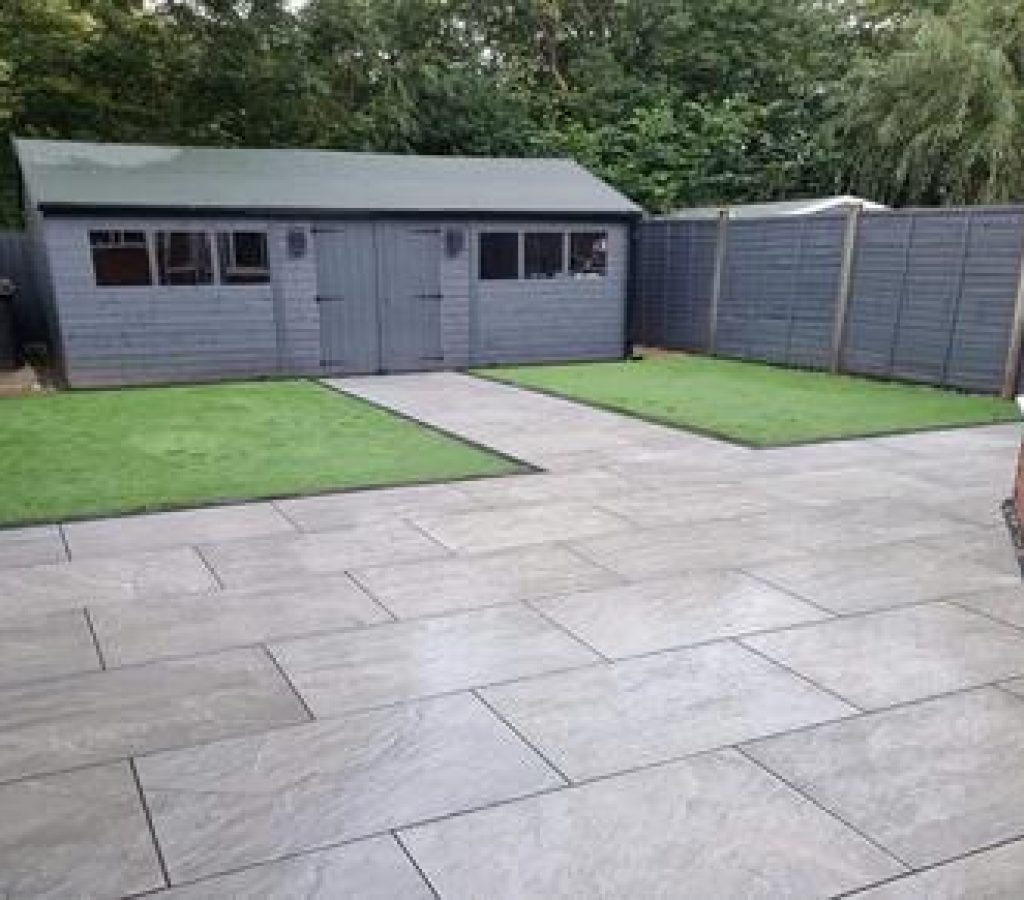
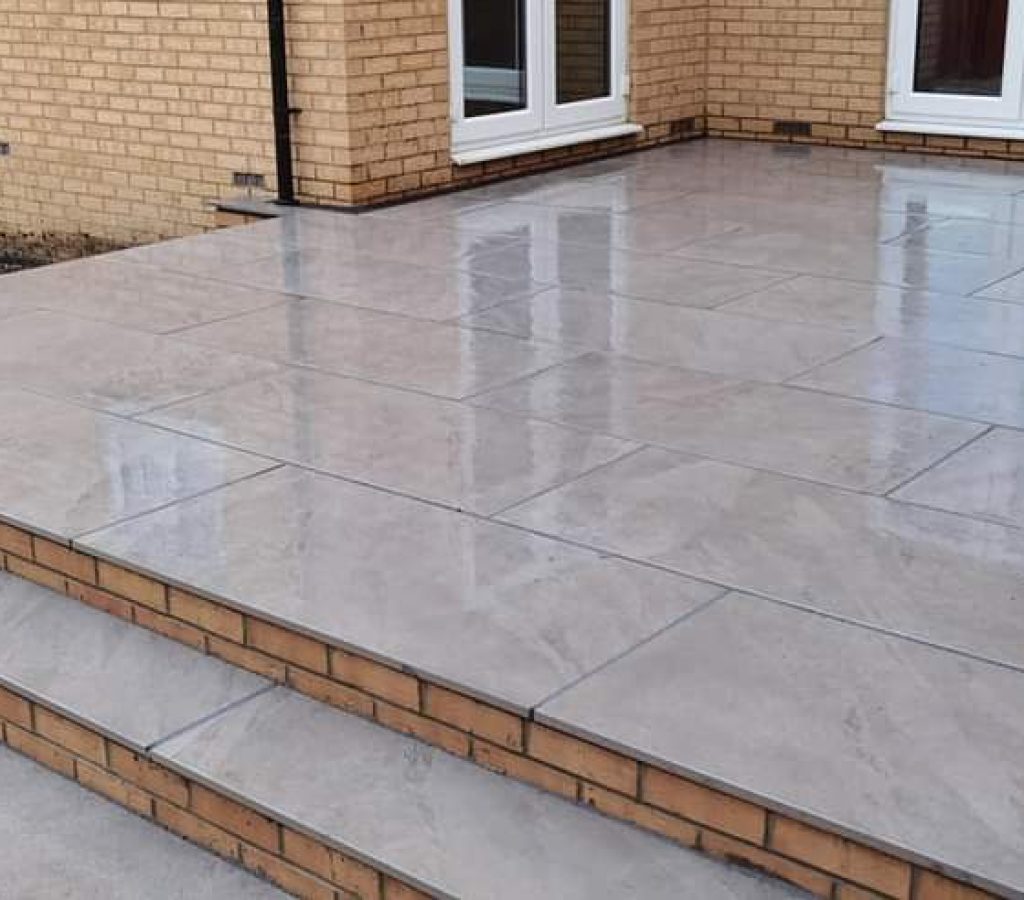
- A wide choice of colours and finishes, from warm buffs and greys to richer autumn tones
- A real boost to kerb appeal and property value, particularly on period or stone-built homes
Advantages and Disadvantages of Flagstone Driveways
Like any driveway material, flagstone is a good fit for some properties and not the right call for others. Here’s an honest breakdown.
Advantages of Flagstone Driveways
- Long lifespan when laid on a proper sub-base — often 20+ years
- Unique, premium appearance that’s hard to replicate with manufactured materials
- Naturally slip-resistant surface, especially with a riven (textured) finish
- Adds genuine resale value, particularly in areas with a lot of stone-built housing
Disadvantages of Flagstone Driveways
- Higher upfront cost than tarmac and most standard block paving
- Heavier than other materials, so it demands a stronger, deeper sub-base
- Joints may need occasional repointing over the years to stay weed-free
- Not a quick DIY job — getting it wrong at the base stage causes long-term problems
Flag Stone Driveways vs Other Driveways Material
Flagstone vs Resin Driveways
Resin bound gives you a smooth, seamless finish that’s generally lower maintenance and costs less per square metre. Flagstone gives you more weight, more texture and a more traditional character — it tends to suit period properties better, while resin feels more at home on contemporary builds.
Flagstone vs Block Paving
Block paving is modular, which makes repairs straightforward — you lift the damaged piece and swap it out. Flagstone has fewer joints overall and a calmer, more natural finish, but if a large slab ever does need replacing, it’s a bigger undertaking than pulling out a single block.
Flagstone vs Tarmac
Tarmac is the quickest and cheapest option and it does what it needs to do. Flagstone costs more and takes longer to lay, but it brings character and resale appeal to a property in a way that tarmac was never really designed to.
Is a Flagstone Driveway Right for Your Property?
Honestly, flagstone makes the most sense for period or stone-built homes, for homeowners who are thinking about selling and want strong kerb appeal and for anyone who’d rather make a bigger investment once than keep spending on something that wears out. If your main concern is keeping costs as low as possible upfront, or if you have a newer build where natural stone would look out of place, then resin or block paving might actually serve you better — and we’d tell you that rather than push you towards something that isn’t the right fit.
Flagstone Driveway Cost
For a driveway-grade installation, supply and installation typically runs between £70 and £150 per square metre. The final figure depends on the stone you go for, the thickness required for vehicle traffic and how much groundwork the existing surface needs before we can start. A standard 40–50m² driveway usually comes in somewhere between £3,000 and £7,000 all in. That’s a fairly wide range because every property is different, which is exactly why we always do a free site visit before we give any quote — there’s no point giving you a number without actually seeing what we’re working with.
FAQs
What is the recommended thickness of flagstone for usage purposes?
Flagstones come in various thickness ranges. However, a minimum of 1” thick stones are recommended for use in heavy traffic or heavy weight-bearing areas.
In which projects can flagstone be used?
Flagstone can be installed for different projects, such as conversion, extension, refurbishment, etc. It helps add value to the property with an appealing look.
Is concrete suitable for flagstone floor and paving?
Concrete is a traditional material which is suitable for flagstone paving and floors as it is available in different shades of colours, providing variety. Moreover, its per metre square cost is also comparatively less, which makes it a pocket-friendly choice.
How can I choose the best flagstone for installation on my property?
To select the best type of flagstone for installation outside your property, you should consider its colour, size, and texture that seamlessly blends with the rest of your property’s design.
What is the price of flagstone?
Flagstone costs around £45 to £293 per m2 based on the type of stone selected and job complexity.
Areas We Cover
Related Pictures